
What Causes Dust to Come Back After Cleaning Your Home?
/
Executive Summary:
Dust returns quickly after cleaning when the sources feeding it remain active. Leaky return ducts, dirty or poorly fitted filters, blocked vents, and humidity swings keep particles circulating, while pets, cooking, and foot traffic add more every day. Addressing filtration, airflow, and duct condition slows the buildup and helps a clean home stay fresh longer.
You wipe every shelf, vacuum every rug, and feel proud of the result. A few days later, you notice dust coming back after cleaning on the very same surfaces. That is frustrating, and it is natural to doubt your routine. The good news is that your effort is rarely the problem. Dust returns because the sources feeding it are still active, so let's walk through them together.
What Is Dust Actually Made Of?
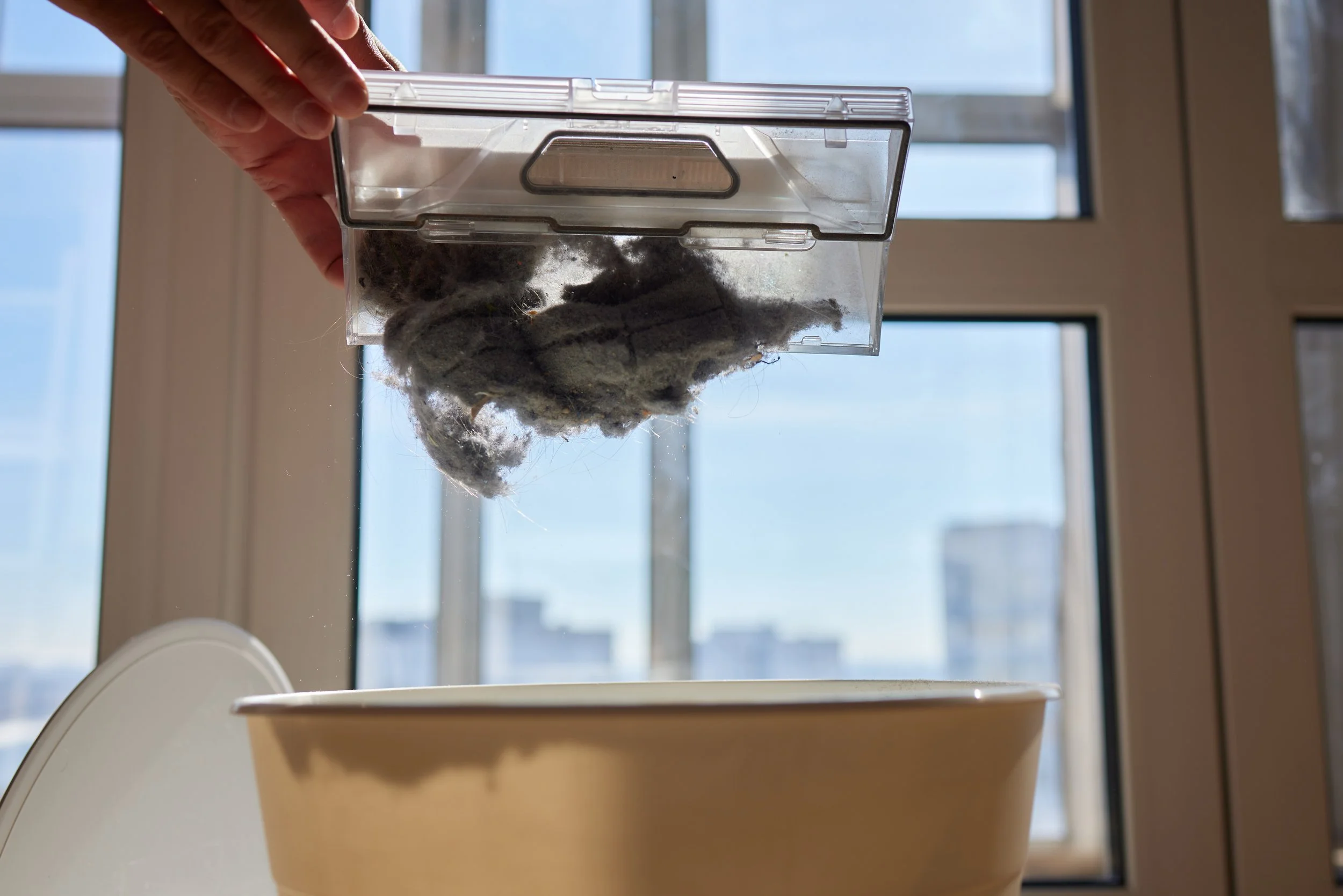
Dust is a mix of tiny particles that come from both inside and outside your home. Fabric fibers, skin flakes, pollen, soil, pet dander, and hair all float through the air before they settle. Cleaning removes what has landed on your surfaces, but it does not stop new particles from arriving.
A little dust is normal in every household. Excessive household dust is different. When surfaces look coated again within a day or two, something in your home is supplying or circulating more particles than it should.
Why Does Dust Keep Coming Back? Common Causes Inside Your Home
Several everyday conditions work together to keep dust in circulation. Checking each one helps you find the real culprit.
Dirty or Poorly Fitted Air Filters
A clogged filter restricts airflow, and a low-quality one lets fine particles pass through. If the filter does not sit snugly, air slips around it instead of moving through it. That bypassed air carries dust straight back into your rooms.
Leaky Return Ducts
Gaps and loose connections in return ducts can pull air from attics, basements, and crawl spaces. That air brings dust along, and your supply vents spread it through the house. Dust gathering around your vents is a helpful clue.
Dry Indoor Air
Very dry air lets fine dust stay airborne longer. It also increases static, which makes particles cling to screens, blinds, electronics, and baseboards.
High Humidity
Moisture makes dust, pollen, and debris stick to surfaces, and it can add musty odors too. The EPA recommends keeping indoor humidity below 60 percent, ideally between 30 and 50 percent. Coastal Virginia summers are humid, so this issue deserves attention in Hampton Roads homes.
Blocked Return Vents
Furniture, rugs, and closed doors can block return vents and disturb airflow. When air cannot circulate properly, dust settles quickly instead of traveling back toward the filter.
Everyday Household Sources
Pets, candles, cooking, carpeting, upholstered furniture, and open windows all add particles to your air. Renovation projects add even more, and foot traffic carries outdoor soil inside.
Can Air Ducts Cause Excessive Dust?
They can, mainly through leaks. Gaps in return ducts can pull dusty air from attics and crawl spaces and spread it into every room. Debris sitting inside ducts plays a smaller role, since the EPA notes that much of it clings to duct surfaces and does not necessarily reach your living space. Signs of a duct problem include dark streaks near vents, uneven airflow, or rooms that collect dust faster than others. Since most ductwork is hidden, issues can persist unnoticed for years. A qualified HVAC technician can inspect the system, check airflow, and recommend sealing, maintenance, or filtration upgrades.
Outdoor conditions add to the challenge. Pollen seasons bring fine particles into coastal Virginia, and older homes often have gaps around windows, doors, basements, and attic access points. Those openings let outdoor dust move inside and reach your ducts.
Want a clearer picture of what is happening around your vents and chimney? Tidewater Chimney Sweeps serves homeowners in Virginia Beach, Chesapeake, and throughout Hampton Roads with careful inspections and honest guidance.
Quick Reference Guide to Common Dust Sources
Source
What Happens
Helpful Response
Dirty or loose filter
Air bypasses the filter and carries particles
Check the fit and replace it if dirty
Leaky return ducts
Dusty air enters from attics or basements
Ask a technician to inspect the ducts
Dry indoor air
Particles stay airborne and cling to surfaces
Balance indoor humidity
High humidity
Dust and pollen stick to surfaces
Improve ventilation and control moisture
Blocked returns
Airflow becomes uneven, and dust settles
Clear furniture and rugs away from returns
Simple Habits That Reduce Dust
Your HVAC system plays a role, too. A dirty blower compartment, a restricted coil, or neglected upkeep can affect how well your system moves and filters air. Routine maintenance cannot prevent every dust problem, but it helps identify airflow restrictions and dirty components early.
Cleaning still matters, so let's make it work harder for you. Walk-off mats catch soil before it spreads across your floors. Vacuuming with a quality filter keeps particles from blowing back into the air. Washing bedding regularly removes skin flakes and dander, and closing windows on high-pollen days limits what enters. Your HVAC fan matters here too. Running it while windows are open can move outdoor particles through your home faster, so keep windows closed while the system runs.
If you keep asking yourself, "Why does my house get dusty so quickly?" start by checking your filter and vents. These small steps often reveal a simple fix and show you when you need deeper help.
When a Professional Look Makes Sense
Recurring dust paired with musty odors, mold-like growth, soot, or a sudden change after construction or flooding deserves closer attention. In those situations, searching for a dusty house inspection near me is a sensible next step. A trained professional can evaluate your ducts, filtration, and airflow.
FAQs
Can dirty air ducts cause dust?
They can, especially when ducts leak. Leaky return ducts pull in dusty air and distribute it through your vents. Dust concentrated near registers and uneven airflow are common hints that the duct system needs attention.
Why is my house dusty even after cleaning?
Cleaning removes surface dust but does not stop new particles from entering. Poor filtration, duct leaks, humidity problems, and daily activity keep supplying more.
Can HVAC filters reduce household dust?
They can help when the filter fits snugly and suits your system. A dirty, weak, or loose filter lets particles through, while an overly restrictive one can hurt airflow, so a technician can help you choose the right option.
Final Thoughts
Dust that returns quickly is a signal, not a failure of your cleaning skills. Filters, ducts, humidity, airflow, and daily activity all shape how fast particles settle. When you address those sources, your cleaning lasts longer, and your home feels fresher. Start with one small step this week, such as checking your filter, and build from there.
Lint and dust travel farther than you might think. As a trusted dryer vent contractor in Virginia Beach, Tidewater Chimney Sweeps can inspect your venting, clear hidden buildup, and help keep your home cleaner and safer. Book your inspection today!