
When Should Smoke Detectors Be Replaced?
/
Executive Summary:
Smoke alarms should be replaced every 10 years from the manufacture date, because their sensors lose sensitivity with age even when the test button still works. Combination smoke and carbon monoxide units often last 7 to 10 years. End-of-life chirps, failed tests, frequent false alarms, and heavy smoke exposure all signal that a replacement is due.
Most of us press the test button, hear the beep, and assume everything is fine. Yet a smoke detector can sound healthy while its sensor slowly weakens. That gap matters because these devices protect your family in moments when you cannot see danger coming. Let's clear up the timeline so you know exactly when to act.
How Often Should Smoke Detectors Be Replaced?
The standard answer is every 10 years, counted from the manufacture date printed on the alarm rather than the day you installed it. The National Fire Protection Association and the U.S. Fire Administration both share this guidance. It applies to alarms with replaceable batteries, sealed 10-year battery alarms, and hardwired alarms with a backup battery.
Combination smoke and carbon monoxide alarms typically last about 7 to 10 years, depending on the model. Some manufacturers also assign a shorter life to certain smoke alarms, so your user guide always has the final word.
Why Alarm Sensors Wear Out
So, what is the lifespan of a smoke alarm, and why does it have one at all? The sensors inside degrade over time, and dust, humidity, and everyday pollutants speed up that decline. Even a hardwired alarm ages this way, because its power source does not change how the sensor wears.
An aging sensor can respond more slowly to smoke, and contamination can also trigger frequent false alarms. That is why a unit that still beeps on test day may not deserve your trust. Alarm types also age differently. Ionization sensors detect fast, flaming fires well, while photoelectric sensors respond best to slow, smoldering ones. Dust can also build up inside either type over time, which is one more reason to replace alarms on schedule.
How to Spot an Outdated Smoke Detector?
Many homeowners ask, "How do I know when my smoke detector is too old?" Fortunately, your alarm usually gives you clues. Look for these five signs.
The Manufacture Date Is More Than 10 Years Old
Turn the alarm over, find the date on the back label, and add 10 years. Some models print a replace-by date instead. If you can't find a date and don't know when it was put in, the safest option is to replace it.
The Test Button Fails
If pressing the button does not produce a loud alarm, replace the unit. Keep in mind that a passing test does not prove the sensor still works well.
End-of-Life Chirps
On sealed-battery models, a chirp about every 30 seconds often means the alarm has reached the end of its life. Low-battery chirps can sound similar, so check your manual for the exact pattern your model uses.
Exposure to Heavy Smoke or Fire
Alarms can break in a fire, even a small one. If your alarm has been in heavy smoke, you should replace it immediately.
Frequent False Alarms
Dust and humidity can contaminate an aging sensor and cause repeated false alarms. Never remove the battery while cooking or showering. Instead, open a door or window, press the hush button, and check the alarm's age afterward.
Replacement Guide at a Glance
Keeping the key numbers in one place makes planning easier. Use this table as a quick check, and confirm the exact figures in your own user guide because models vary.
Alarm Type
Typical Replacement Guidance
Smoke alarms (battery, sealed battery, hardwired)
Every 10 years from the manufacture date
Combination smoke and CO alarms
7 to 10 years, depending on the model
Standalone CO alarms
7 to 10 years, depending on the model
Backup batteries (non-sealed)
At least once a year
Placement and Replacement Tips
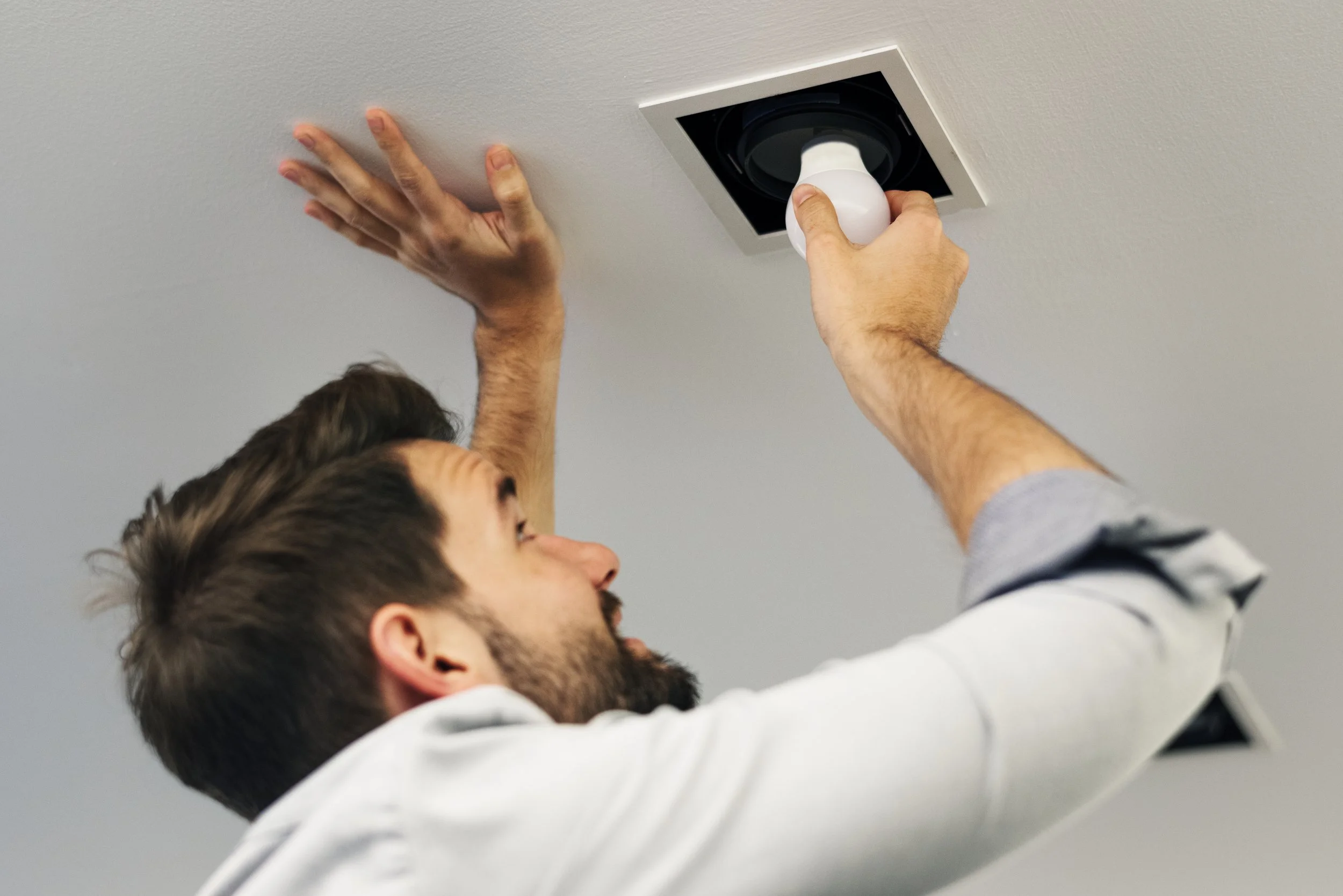
Start replacement by checking the date on the back label. If the alarm is under 10 years old, replace the battery. If it has reached the limit, replace the entire unit instead of only the battery. Once you install the new alarm, write the installation date on it, since a marked date makes the next replacement easy to remember.
Smoke alarms belong inside each bedroom, outside each sleeping area, and on every level of your home, including the basement. Test monthly by pressing the test button to catch issues early. When replacing interconnected alarms, choose units from the same manufacturer or models listed as compatible. Incompatible alarms may not sound together, which defeats the purpose of interconnection.
Hardwired alarms deserve extra care. Swapping in a hardwired model from the same manufacturer is simplest, while a different brand may require an electrician to install a new wiring connector. If an alarm sounds and you see or smell smoke, leave immediately, stay outside, and call the fire department from a cellphone or a neighbor's phone.
FAQs
How many years do smoke detectors last?
Most last about 10 years from the date of manufacture. Some types might not last as long, so check your user guide for the exact time.
Do smoke detectors expire?
Yes. Sensors lose sensitivity and internal electronics age, so every alarm has an end-of-life date, which is often printed on the back.
Should I replace all smoke detectors at once?
Replacing them together is often practical, especially with interconnected alarms, since compatible units are needed to sound as one system. Alarms installed at the same time also tend to expire at the same time. Still, follow the manufacture date on each unit.
Can an old smoke detector give false alarms?
Yes. Dust and humidity can cause repeated false alarms as an alarm ages. If the problem continues after you clear the air and press hush, check the date and replace the unit if it is due.
Final Thoughts
A smoke alarm protects your household only while its sensor works properly. Check the manufacture date, test each unit monthly, and replace alarms on schedule even when they appear fine. A few minutes of attention today can make a life-saving difference later, so check the alarms in your home this week.
Dust buildup can affect smoke alarm sensors, and your ductwork collects it too. Tidewater Chimney Sweeps provides thorough air duct cleaning in Virginia Beach, VA, to clear built-up debris from your system. Contact Tidewater Chimney Sweeps today to schedule your service!