Why Does Smoke Come Back into the Room? How to Fix Fireplace Draft Issues
/
Executive Summary
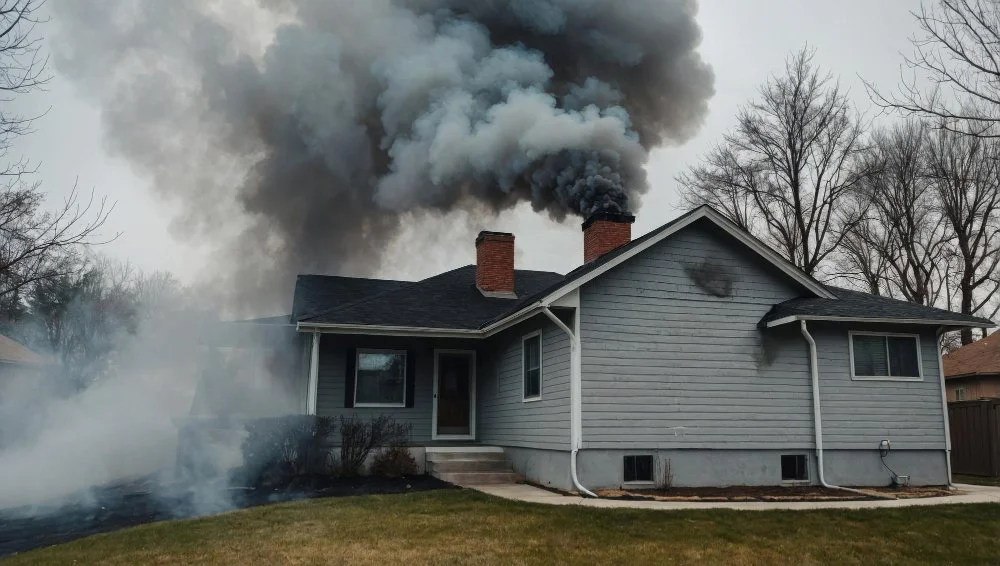
Smoke entering a room instead of rising through the chimney can result from a closed damper, cold flue, creosote buildup, blockages, poor chimney design, or negative air pressure. Identifying the cause of fireplace draft problems helps determine the right corrective measures, while regular chimney maintenance and professional inspections support safe smoke ventilation and reduce indoor air quality risks.
A properly functioning fireplace directs smoke and combustion gases up the chimney through natural airflow called chimney draft. However, a closed damper, cold flue, or blockage can interrupt this process and cause smoke to enter your home.
If you keep asking “why does fireplace smoke come into house,” the answer usually sits in one of the causes below.
What Causes Smoke to Come Back into the Room?
Several conditions can interfere with the natural upward movement of smoke. Some involve fireplace components, while others relate to the chimney structure or air pressure inside the house. Identifying the source helps determine the appropriate repair.
1. Closed or Partially Closed Damper
The damper controls the opening between the fireplace and chimney. It should be fully open while a wood fire is burning so smoke can move freely through the flue. If it is closed, partially open, or stuck because of rust or debris, smoke may collect in the firebox and enter the room.
A damaged damper can cause the same problem even when the handle appears to be in the correct position. Check that it opens completely before starting a fire. If the damper is difficult to operate, have it inspected before using the fireplace.
2. Cold Chimney Flue
A cold flue can interfere with chimney draft, especially during the first few minutes after lighting a fire. Dense, cool air inside an unused chimney may move downward and resist the upward movement of warm smoke.
This often happens when a fireplace sits unused for several weeks. Smoke can initially enter the room before the flue warms and the draft improves. If smoke continues entering the room, the problem may involve ventilation, an obstruction, or another chimney condition.
3. Creosote or Soot Buildup
Burning wood produces soot and creosote that can accumulate inside the chimney. As deposits build up, they can narrow the flue and interfere with the movement of smoke.
Creosote is also combustible and can increase the risk of a chimney fire. Heavy deposits should not be removed with household tools. Professional chimney cleaning can safely address significant buildup and identify other problems affecting the flue.
4. Blocked Chimney Cap or Flue
The chimney cap helps keep rain, leaves, animals, and debris out of the flue. A clogged mesh screen or damaged cap can restrict airflow and contribute to smoke backup.
Bird nests, twigs, leaves, and fallen masonry can also obstruct the flue. Even a partial blockage may prevent smoke from escaping properly. A professional inspection can determine if an obstruction is affecting the chimney.
5. Poor Chimney Draft
A clean chimney and open damper do not always guarantee proper draft. Chimney height, flue dimensions, fireplace opening size, and nearby roof structures can all affect how efficiently smoke moves upward.
For example, a large fireplace opening combined with an undersized flue may contribute to poor smoke evacuation. These fireplace drafting issues can require a professional assessment to determine if the chimney or fireplace design needs correction.
6. Negative Air Pressure
Ventilation equipment can affect fireplace draft by removing air from the home. Kitchen range hoods, bathroom exhaust fans, and clothes dryers can create negative pressure, particularly in tightly sealed houses.
When indoor pressure becomes too low, outside air may move down through the chimney instead of allowing smoke to rise. Turning off competing exhaust fans may help identify the problem, but recurring smoke backup should be professionally assessed.
7. Improper Fireplace Design
The fireplace and chimney need to work together properly to vent combustion gases. An oversized firebox, undersized flue, incorrect liner, unsuitable chimney height, or poorly designed smoke chamber can interfere with draft.
These problems may continue even after the chimney has been cleaned and the damper checked. A chimney professional can assess the fireplace dimensions and flue configuration and determine if repairs, a liner replacement, a smoke guard, or other modifications are needed.
How to Fix Fireplace Draft Issues
The right fireplace smoke backup solutions depend on the cause. Some problems require simple adjustments, while others need professional cleaning, ventilation improvements, or repairs.
Check That the Damper Is Fully Open
Open the damper completely before lighting a fire. Use a flashlight to check its position, and have a professional inspect it if the mechanism is stuck or damaged.
Warm the Flue Before Starting the Fire
Cold air inside the flue can interfere with upward airflow. With the damper open, hold a rolled, lit sheet of newspaper near the damper opening until you feel the air begin to draw upward, then light your fire. If cold-air problems persist, ask a professional for the safest solution.
Check for Chimney and Flue Blockages
Creosote, animal nests, leaves, and fallen masonry can restrict airflow. A qualified chimney sweep can inspect and remove these obstructions.
Improve Airflow Inside the Room
Open a nearby window slightly to test if additional air improves the draft. Also, turn off competing exhaust fans if they contribute to negative air pressure.
Have the Chimney Professionally Inspected
Recurring smoke problems may indicate damaged liners, creosote buildup, or restricted flue passages. A professional assessment can determine the source of the problem and the repairs required.
Address Structural or Ventilation Problems
An undersized flue, short chimney, or poorly designed firebox can affect draft performance. Depending on the findings, repairs may include liner replacement, chimney extensions, or additional air supplies.
When Smoke Backup Means You Need a Chimney Inspection
A professional chimney inspection is important when you notice these warning signs:
Warning Sign
Why It Needs Attention
Persistent creosote accumulation
Heavy deposits can restrict airflow and increase the risk of a chimney fire.
Damaged chimney liners
Cracks, gaps, or deterioration can compromise the chimney's venting system.
Blocked flue passages
Animal nests, fallen masonry, and debris can prevent smoke from escaping.
Damaged chimney caps
Missing or deteriorated caps can allow moisture and debris inside.
Smoke chamber deterioration
Structural damage can interfere with the movement of combustion gases.
Repeated backdrafting
Recurring smoke backup indicates an unresolved airflow or pressure problem.
Fireplace Smoke Problems You Should Not Ignore
· Persistent smoke: Smoke repeatedly entering the living area may indicate poor chimney draft or a blocked flue.
· Strong smoky odors: Lingering smells can point to airflow problems, creosote buildup, or moisture inside the chimney.
· Excessive soot: Heavy soot around the fireplace may indicate incomplete combustion or restricted airflow.
· Falling debris: Leaves, nesting materials, or masonry fragments inside the firebox may suggest a chimney blockage or deterioration.
· Carbon monoxide risks: Smoke backup can signal that combustion gases are entering your home, and carbon monoxide has no color or odor. Install working carbon monoxide and smoke alarms according to manufacturer instructions.
FAQs
Why Does Smoke Enter the Room When the Fireplace Is First Lit?
A cold chimney, closed damper, negative air pressure, or poor initial draft can cause smoke to spill into the room when a fire is first started. Persistent smoke requires further inspection.
Can Exhaust Fans Affect Fireplace Draft?
Yes. Kitchen range hoods, bathroom exhaust fans, and clothes dryers can remove indoor air and create negative pressure. This may interfere with the chimney's upward draft and contribute to smoke entering the room.
Can Creosote Buildup Cause Fireplace Smoke Backup?
Yes. Heavy creosote and soot deposits can restrict the flue and interfere with smoke movement. Creosote is also combustible, so significant buildup should be professionally inspected and cleaned.
When Should I Stop Using a Fireplace Because of Smoke?
Stop using the fireplace if smoke repeatedly enters the living area, the flue appears blocked, or the fireplace has persistent draft problems. A professional inspection can identify the cause before the fireplace is used again.
Final Thoughts
A properly functioning chimney plays an important role in fireplace safety and indoor comfort. Closed dampers, cold flues, creosote deposits, blocked chimney caps, and ventilation problems can all interfere with the upward movement of smoke. Identifying the cause is the first step toward restoring fireplace performance. Regular maintenance, seasoned firewood, and professional inspections prevent many common drafting problems.
Smoke in the room is a reminder to check every layer of your home's fire safety. Tidewater Chimney Sweeps, operated by professional firefighters, serves homeowners throughout Hampton Roads. Schedule a smoke detector inspection in Virginia Beach, VA, today and take an important step toward protecting your household.