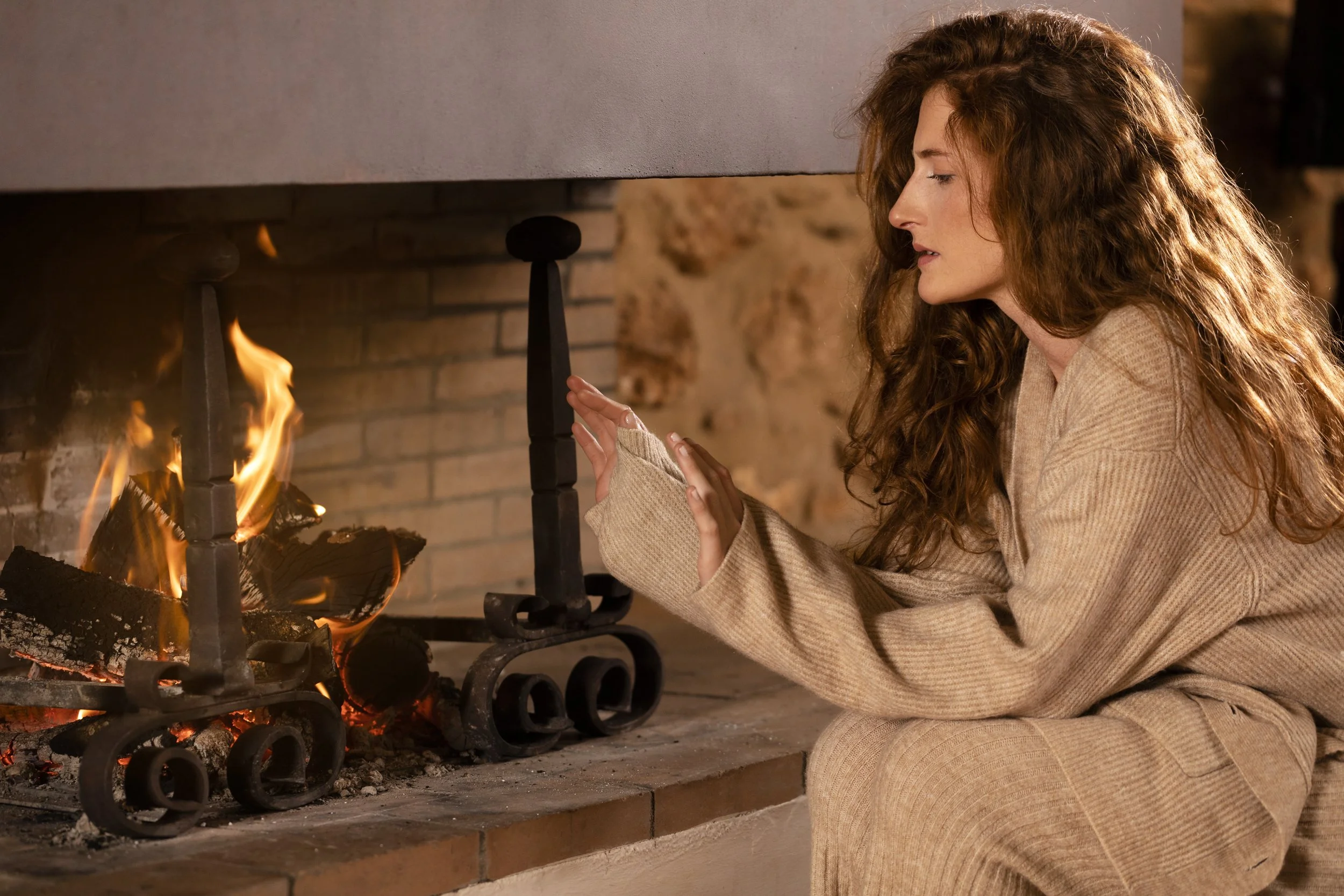
Why Does a Fireplace Struggle to Stay Lit?

Executive Summary:

A fireplace struggles to stay lit when fuel, air, or heat falls short. In wood fireplaces, damp logs, a partly closed damper, cold flue air, too little kindling, and chimney blockages are common causes. In gas units, a dirty thermocouple, a blocked pilot orifice, or a faulty control valve often weakens or extinguishes the flame.

Few things feel more disappointing than settling in on a cool evening and watching your flames fade. If your fireplace won't stay lit, you are not alone, and the cause is often easier to find than you might expect. A fire needs fuel, air, and heat working together. When one of them falls short, the flame struggles, so let's explore the most common reasons.

Why Won't My Fireplace Stay Lit?

A wood fire builds in stages. Tinder, such as newspaper or all-natural fire starters, catches first. Kindling, which means thin sticks or split seasoned wood, catches next, and larger logs follow. Skipping a stage often leaves the fire without enough strength to carry on.

Air matters just as much as fuel, because flames need a steady supply to grow. Never use flammable liquids to boost a struggling fire, because that creates a serious safety risk. Fixing the underlying cause is always the safer path.

When flames fade, the fire is telling you that it's missing fuel, air, or heat. Identifying what's missing saves you time and frustration, and the sections below walk you through each possibility step by step.

Common Reasons a Wood Fire Fades

Most wood-burning problems trace back to a short list of causes. Here are the most common ones.

Damp or Unseasoned Firewood

Freshly cut wood is full of moisture. The EPA advises seasoning softwood for at least six months and hardwood for 12 months, and wood burns best at 20 percent moisture or less. Wet logs smoke more than they burn, which is why a fire keeps going out even when your kindling looks perfect. Logs stored in the cold also struggle, so bring them indoors to warm up before use.

A Closed or Partly Closed Damper

Combustion byproducts need a clear path up the chimney. A closed or partly open damper blocks that path and can push smoke into your room. Open it fully before lighting, and have it repaired if it will not open all the way.

A Cold Column of Air in the Flue

Chimneys on exterior walls can hold cold air that keeps warm air from rising. Preheating the flue before you light the main fire helps the draft get moving. A chimney professional can suggest a safe method for your setup.

Not Enough Tinder or Kindling

Large logs cannot ignite on their own. Without enough small fuel underneath, the flame burns out before the logs catch. Building the fire in layers gives it the steady heat it needs.

Obstructions in the Chimney

Combustion byproducts cannot escape through the chimney without an unobstructed flue. If your fire struggles even with dry wood and an open damper, the team at Tidewater Chimney Sweeps can inspect the flue for blockages.

How Airflow Shapes Your Fire

Fire consumes air constantly. If you keep asking, “Why does my fireplace fire keep going out?”, start with airflow. Damper position, flue condition, and any blockages control how well air moves through the system.

What Causes a Weak Fire in a Fireplace?

For gas units, a weak flame often points to the pilot system. The thermocouple is a safety sensor heated by the pilot flame. When it is dirty or worn, it may stop signaling the gas valve to stay open, and the flame goes out.

Dust, lint, and spider webs can also block the pilot orifice, which produces a weak, yellow, or flickering pilot flame. A steady blue pilot flame is a healthy sign. Gas components need careful handling, so a qualified technician should perform any repair.

Your sensor type matters as well. Fireplaces with a remote or wall switch usually rely on a thermopile, which produces a stronger signal than a thermocouple. A failing thermopile more often lets the pilot burn normally while the main flame refuses to start.

The gas control valve is another suspect. It manages gas flow and pressure, so a malfunction or gas supply disruption can leave you with a weak or flickering flame. These issues call for professional diagnosis.

Recognizing Common Fireplace Fire Problems

Patterns often reveal the cause, so this table pairs common symptoms with likely explanations and helpful next steps.

Symptom

Likely Cause

Next Step

Smoky fire that fades

Damp or unseasoned wood

Use seasoned firewood

Smoke entering the room

Closed or partly open damper

Open it fully and check for blockages

Fire will not catch

Cold flue air or too little kindling

Preheat the flue and build in layers

Pilot lights, then goes out

Dirty or worn thermocouple

Call a qualified technician

Weak yellow pilot flame

Blocked pilot orifice

Schedule professional cleaning

Safety Reminders Before You Troubleshoot

Always confirm that a gas fireplace is off and has cooled before touching any part, since hot components can cause injury. Keep flammable liquids away from every fire, and open the damper fully before lighting a wood fire. Simple precautions protect you while you look for the cause.

Frequently Asked Questions

Why does my fire keep going out?

In a wood fireplace, common causes include damp wood, a closed damper, cold flue air, and too little kindling. In a gas fireplace, a dirty thermocouple or blocked pilot orifice is often responsible.

Does airflow affect how a fireplace burns?

Yes. Fire needs air, and a closed damper or blocked flue stops combustion byproducts from leaving the chimney. Clear airflow supports a steadier, stronger flame.

Can damp wood prevent a fire from staying lit?

Yes. Wet wood smokes instead of igniting properly. Seasoned wood, which has dried for six to 12 months depending on the type, burns far more reliably.

Why does my fireplace have a weak flame?

Wood fires weaken when fuel is moist, or airflow is restricted. Gas fireplaces show weak flames when the pilot is blocked or the thermocouple is failing.

Final Thoughts

A fire that will not stay lit is a solvable problem. Dry wood, a fully open damper, a clear flue, and clean gas components make the biggest difference. Start with the simple checks, and call a professional when the cause stays hidden. Warm, steady evenings by the fire are well worth the effort.

If you are ready for reliable fires all season, book chimney maintenance services in Virginia Beach with Tidewater Chimney Sweeps. Enjoy every evening by the fire with confidence!

Comment

Why Water Gets Into Your Chimney: Common Causes of Chimney Leaks

Executive Summary:

Chimney leaks often stem from damaged crowns, deteriorating flashing, missing caps, weakened masonry, interior condensation, or drainage issues. Recognizing these early signs and understanding causes can help homeowners prevent moisture spreading into walls and ceilings. Regular inspections, timely repairs, waterproofing, and well-maintained gutters reduce the risk of water damage. For Hampton Roads residents, proactive chimney care is crucial due to heavy rain, humidity, coastal exposure, and seasonal temperature shifts.

Rain does not always leave a chimney the way it found it. A tiny crack in the crown, a worn section of flashing, or an unprotected flue opening can give moisture a quiet path into the chimney system. The frustrating part is that the first sign may not appear near the actual leak at all. A faint ceiling stain, damp masonry, musty odor, or unexplained moisture can show up long after water first gets inside.

So, why does water get into a chimney, and where does the leak usually begin? Understanding the common entry points can make hidden chimney water problems much easier to spot before they spread.

How Water Finds Its Way into a Chimney

A chimney might look like one solid column of brick, but it is actually built from several separate components, and each one can create an entry point for moisture when damaged. When one part fails, rain can quietly work its way inside and travel downward toward the living space.

The question “Why is water getting into my chimney?” often comes up after stains or dampness finally become visible, but a chimney leaking into house walls and ceilings rarely starts with obvious damage. More often, water enters gradually and remains unnoticed for weeks or months before the signs become impossible to miss.

That slow start is exactly what makes chimney leaks so tricky to catch early. Most chimney leaks trace back to a handful of recurring culprits. Here's a quick overview before we look at each one more closely:

●       A cracked or worn chimney crown.

●       Damaged, rusted, or poorly installed flashing.

●       A missing or ill-fitting chimney cap.

●       Spalling brick, crumbling mortar joints, or deteriorated masonry.

●       Condensation building up inside the flue.

●       Clogged gutters and downspouts pushing water back toward the chimney.

A Detailed Overview: What Causes Chimney Leaks?

Each of these has its own warning signs, so let's break them down one at a time.

1.    Cracked or Deteriorating Chimney Crown

The crown is the flat or slightly sloped surface capping the top of the chimney stack, and its whole job is to shed water away from the flue opening. Over time, sun exposure, freezing temperatures, and simple age cause hairline cracks to form across its surface. Once water finds its way into those cracks, freeze-thaw cycles slowly widen them, eventually giving rain a direct path into the chimney structure below.

2.    Damaged or Missing Flashing

Flashing is the metal barrier installed where your chimney meets the roofline, and it's meant to seal that seam against wind-driven rain. Storm damage, roofing work, or ordinary rust can loosen or corrode this flashing over the years, opening a gap for water to seep beneath the shingles and into the attic or ceiling below.

3.    Missing or Faulty Chimney Cap

A chimney cap sits over the top opening of the flue, blocking rain, leaves, and animals from getting inside. Without one, or with one that's rusted through or poorly fitted, rainwater falls straight down the flue every time it storms. This is one of the simplest and most preventable causes of chimney leaks, yet it's also one of the most common.

4.    Spalling Brick and Deteriorating Mortar

Brick and mortar are porous by nature, and the humid, salt-laden air common throughout Hampton Roads speeds up their breakdown. Water seeps into the masonry, and when temperatures drop, that trapped moisture expands and pushes chunks of brick or mortar loose.

This process, known as spalling, is a leading contributor to chimney water damage in Chesapeake, VA, and nearby communities, where many homes still feature older brick construction.

5.    Condensation from Flue Gases

Not every chimney leak comes from outside. Burning wood naturally produces water vapor, and if the flue is oversized or lacks proper insulation, that vapor condenses on the interior walls and drips back down. This can mimic an active rain leak even on a perfectly clear day, which is why interior inspection matters just as much as checking the roofline.

Here's a quick reference for spotting which cause might be behind a leak in your own home:

Common Cause

Typical Warning Sign

Where It Usually Starts

Cracked chimney crown

Water stains on the ceiling near the flue.

Top of the chimney stack.

Damaged flashing

Damp spots in the attic after rainfall.

Roofline seam.

Missing chimney cap

Water pooling inside the firebox.

Open top of the flue.

Spalling brick or mortar

Crumbling brick or white mineral deposits on masonry.

Exterior chimney walls.

Flue condensation

Musty odor and drips with no active rain.

Interior flue liner.

How Do You Prevent Chimney Water Damage?

The good news is that nearly every cause listed above is preventable with regular attention. Prevention almost always costs less time and hassle than dealing with a stained ceiling or an attic full of mold, and it keeps small issues from turning into structural repairs down the road.

1.    Schedule Routine Inspections

The single best defense against chimney water leaks is catching small problems before they grow into big ones. A routine inspection can flag hairline crown cracks, loosening flashing, or a worn-out cap long before they cause any interior damage.

If you've already noticed early warning signs, looking into chimney leak repair in Virginia Beach is a smart first move rather than waiting for the next storm to make things worse.

2.    Waterproof and Repair the Masonry

Applying a breathable waterproofing sealant to brick and mortar helps repel moisture without trapping it inside the masonry, while repointing crumbling mortar joints restores the chimney's structural seal against wind and rain.

3.    Maintain Gutters and Downspouts

Seasonal checks are important. Clogged gutters near the chimney can cause water to back up and pool against the masonry instead of draining properly. Performing a quick seasonal inspection, especially before Hampton Roads' storm season, helps ensure water flows away as it should, preventing it from seeping into brick and mortar.

If persistent moisture or staining appears, a professional chimney leak inspection can help identify the source before further damage develops.

FAQs

1.    Why Does My Chimney Leak When It Rains?

Rain typically gets in through a cracked crown, gaps in the flashing, or a missing chimney cap. Once one of these seals fails, water has a direct path down into the flue and eventually into your home.

2.    Can A Chimney Leak Damage The Ceiling?

Yes. Water that enters through the crown or flashing often travels along the roof deck or down the interior of the chimney chase before showing up as a stain on the ceiling near the fireplace, sometimes far from where the leak actually started.

3.    Does A Chimney Cap Prevent Water Leaks?

A properly fitted chimney cap effectively keeps rain out of the flue. It won't stop leaks caused by crown cracks or bad flashing, but it eliminates one of the most common entry points.

4.    How Can I Tell Where A Chimney Leak Is Coming From?

Look for patterns: water inside the firebox usually points to a missing cap, attic dampness after rain often means flashing issues, and a musty smell with no active rain suggests condensation. A closer inspection is usually needed to confirm the exact source.

5.    Can I Repair A Chimney Leak Myself, Or Should I Call A Professional?

Minor tasks like clearing debris from a cap are manageable on your own, but diagnosing the actual source of a leak and repairing crowns, flashing, or masonry generally calls for a trained professional, since misdiagnosing the cause often leads to repeat leaks.

Final Thoughts

Chimney leaks rarely announce themselves loudly. They creep in through hairline cracks, worn seals, and neglected caps until the damage is already done inside your walls or ceiling. Staying ahead of it comes down to knowing what to look for and acting early, rather than waiting for a storm to reveal the problem.

If your home is showing any of these warning signs, scheduling professional chimney inspection services with the team at Tidewater Chimney Sweeps is one of the most reliable ways to catch a leak before it spreads any further into your home!

Comment