
Why Fall Is the Best Time for Chimney Cleaning

There is something truly special about a fireplace. The warm glow, the crackling sound of burning wood, and the cozy feeling it brings to your home on a cold night are hard to beat. But before you light that first fire of the season, your chimney needs attention. Cleaning your chimney before winter arrives is one of the most important things you can do as a homeowner. And the best time to get it done? Fall. Every single time.

Fall is not just about pumpkins and changing leaves. It is the perfect time to ensure your chimney is clean, safe, and ready for heavy use. In this blog, we will walk you through exactly why fall is the right time, what happens when you skip it, and how to get ahead of the game before the cold really sets in.

Why Should I Clean My Chimney Before Winter?

This is one of the most common questions homeowners ask, and the answer is always the same. Your chimney needs to be in top shape before you start using it heavily again.

The Creosote Problem

Every time you burn wood, Creosote builds up on the inside walls of your chimney. It forms naturally as a result of burning wood, but it is also highly flammable and becomes more dangerous the longer it sits.

According to fire safety experts, Creosote buildup is the leading cause of chimney fires in homes. It can ignite at high temperatures and burn so intensely that it can crack masonry, damage the flue lining, and spread to your roof.

Blockages and Animal Nests

During the months your fireplace is not in use, birds, squirrels, and other animals often find their way into chimneys and build nests. Leaves and debris also collect inside the flue over time.

These blockages block airflow and can lead to carbon monoxide buildup inside your home. That is a health risk nobody wants to deal with mid-winter.

Structural Damage Risks

When moisture gets trapped inside a dirty chimney, it slowly damages the lining and masonry walls. Left unchecked, this leads to repairs that cost far more than a routine annual cleaning. In the worst cases, the damage reaches a point where the entire chimney has to be rebuilt from scratch.

Prior chimney cleaning in the fall catches these issues early. A professional inspection will spot cracks and water damage while they are still easy and affordable to fix.

Indoor Air Quality

A blocked chimney cannot vent properly, which means smoke and hazardous gases like carbon monoxide can back up into your living space. This is especially harmful for children, older people, and anyone with respiratory conditions.

Keeping your chimney clean means your home stays safe to breathe in all winter long.

Heating Efficiency Matters

When your chimney is clogged with soot or Creosote, airflow is restricted, and your fireplace has to work harder to produce the same heat. You end up burning more wood for less warmth. Over a full winter season, that adds up to real money spent on firewood that should not have been necessary.

A clean chimney improves airflow and leads to better combustion. It is a small step that pays off every time you light a fire.

When Should I Schedule Chimney Maintenance?

The ideal time is early fall, ideally between September and October. Once temperatures drop, chimney sweeps get booked up fast, and wait times grow quickly. Scheduling early means you pick a time that works for you without any last-minute stress.

Fall also gives you enough time to fix any issues before the heating season begins. A crack, damaged liner, or faulty damper found in October is a manageable fix. The same problem found in December becomes an urgent and often costly situation.

According to the National Fire Protection Association, every chimney should be inspected a minimum of once annually. If you use your fireplace regularly, pair that inspection with a full cleaning every season. It is simple, affordable, and keeps your home safe all winter long.

Fireplace Preparation: A Fall Checklist

There are a few key steps every homeowner should take before lighting that first fire of the season.

Schedule a Professional Inspection

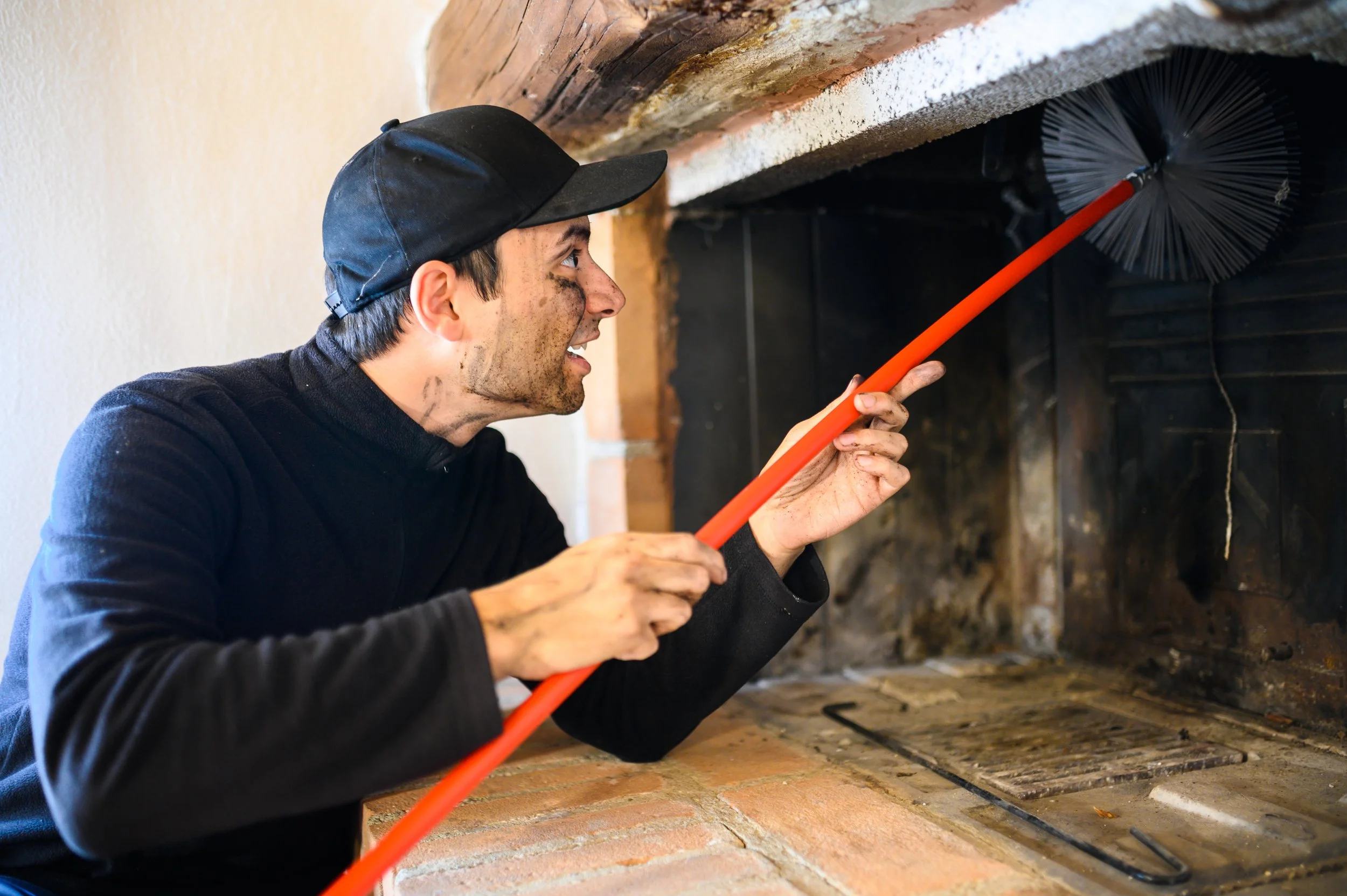
A professional chimney inspection is the first step toward a safe and worry-free fireplace season. A certified sweep will check the flue, damper, firebox, and chimney cap for any damage, buildup, or blockages that could cause problems.

Do not skip this step even if your chimney looks fine from the outside. Many of the most serious issues are not visible without a proper internal inspection.

Check the Chimney Cap

Your chimney cap is located at the very top of your chimney and keeps rain, snow, debris, and animals out. Over time, it can rust, crack, or loosen without you noticing.

A damaged cap is an open invitation for moisture to get in, which can cause serious structural damage over time. Fall is the right time to have it checked and replaced if needed.

Test Your Damper

The damper is what regulates the flow of air inside your chimney system. Before the season starts, open and close it a few times to make sure it moves freely and seals properly when shut.

A stuck or broken damper can let cold air into your home all winter or prevent smoke from escaping properly when you have a fire. Both situations are easy to avoid with a quick check.

Clear Out Old Ash

Leftover ash from last season can restrict airflow at the base of your fireplace, making it harder to start a clean fire. It can also retain moisture, which accelerates corrosion inside the firebox.

Give the firebox a good clean before the season begins. A thin layer of ash is fine to leave behind, but anything more than an inch should be removed.

Test Your Detectors

Smoke detectors and carbon monoxide detectors are your last line of defense if something goes wrong. Test every detector in your home before you use the fireplace, and replace any batteries that are running low.

Carbon monoxide is odorless and invisible, making a working detector essential for any home with a fireplace. This is one step that takes two minutes and could save lives.

The Real Benefits of Fall Chimney Cleaning

Beyond fire safety, having your chimney cleaned in the fall offers several practical benefits that make your life easier throughout the winter.

●       You avoid emergency repairs. If an issue is found during a fall inspection, you have time to get it fixed before winter arrives. Waiting until it is freezing outside or until something goes wrong during a fire is not the position you want to be in.

●       You save money. A routine cleaning costs a fraction of what chimney fire damage or emergency repairs cost. Catching problems early is always less expensive than dealing with them after the fact.

●       You get better peace of mind. A professionally inspected and cleaned chimney gives you the freedom to enjoy your fireplace all winter without a second thought.

●       You protect your family. A clean chimney vents properly, keeping harmful gases outside where they belong. That is the biggest benefit of all.

●       You extend the life of your chimney. Regular maintenance prevents the kind of deep-seated damage that shortens a chimney's lifespan. A well-kept chimney can serve your home for decades, while a neglected one may need major work far sooner than expected.

●       You improve your home's energy efficiency. A clean, unobstructed chimney draws air more effectively, which means your fireplace heats your space faster and with less effort. That translates into lower heating costs over the winter.

●       You stay compliant with home insurance requirements. A number of home insurance policies ask for proof that your chimney has been regularly maintained. Staying on top of your annual cleaning keeps you covered and avoids any complications if you ever need to make a claim.

Conclusion

A fireplace is only as good as the chimney behind it. Chimney cleaning before winter goes beyond a simple suggestion; it is a critical step in keeping your family safe, your home protected, and your investment in good shape. Creosote buildup, blocked flues, and poor ventilation are risks that quietly grow over summer while your fireplace sits unused. One annual inspection and cleaning in the fall is all it takes to stay ahead of it all.

Do not wait until the first cold night to realize your chimney has not been serviced. Fall goes by faster than you think, and the best time to act is always before you actually need it.

When you are ready to get started, Tidewater Chimney Sweeps is here to help. Our team of professionals delivers dependable chimney cleaning services that give you the confidence you need heading into the colder months. Visit us today to book your appointment!
Spring Chimney Inspection Checklist for Homeowners

Your fireplace did a lot of work over the winter and deserves some attention now that the fires have died down. A chimney that looks fine from the outside can be hiding cracked liners, blocked flues, or a season's worth of creosote buildup on the inside. These problems rarely announce themselves until you notice a smoky smell, a stubborn fire, or, in the worst cases, an actual house fire. Taking a few minutes to inspect your chimney now is one of the easiest ways to help protect your home and everyone inside it.

This spring chimney inspection guide will show you exactly what to check, what professionals look for, and how to keep your system safe long before the cold returns.

Why Spring Is the Smart Time for a Chimney Checkup

Most homeowners only think about their chimney once the weather turns cold, when contractors are booked solid and small cracks have had a whole season to grow worse. Checking things in spring gives you months to handle repairs calmly, rather than scrambling before the first cold night.

Spring is also the nesting season for birds, squirrels, and other small animals, and an unused chimney without a working cap is an open invitation. Catching this early means clearing out debris before it blocks airflow or becomes a fire risk later in the year.

How Do I Know If My Chimney Needs Cleaning?

A handful of warning signs tend to show up first, so it helps to know what to look for.

A Strong Smoky Smell With No Fire Burning

Trapped creosote tends to give off a sharp, smoky odor that lingers in the room, especially on damp or humid days. If you notice this smell even when the fireplace has been cold for hours, the flue likely needs attention. Humidity pulls the odor out of the creosote and pushes it back into your living space through the open damper.

Closing the damper when the fireplace is not in use can mask the smell for a while, but it will not solve the buildup underneath it.

Visible Soot or Creosote Buildup

A layer of soot thicker than an eighth of an inch inside the firebox is a clear signal that cleaning is overdue. Shiny, tar-like creosote on the flue walls is even more serious, since this glazed buildup is highly flammable.

Creosote forms in stages, and the longer it sits there, the harder and more dangerous it becomes to remove. An annual chimney inspection can help identify creosote buildup early before it becomes a serious fire hazard. A flashlight check of the firebox walls and the first few feet of the flue will tell you a lot.

Smoke Drifting Back Into the Room

Smoke that drifts back into the room instead of rising through the flue points to a blockage or heavy buildup somewhere inside the chimney. A fireplace that smokes up the house is rarely just a simple draft issue.

Cold outside air, a closed damper, or a clogged flue can all cause this same problem, so it helps to rule out the easy fixes first. If opening a nearby window does not solve it, the chimney itself is most likely the culprit, and that smoke can carry carbon monoxide along with it.

A Sluggish or Hard-to-Start Fire

If your fire struggles to catch or burns weakly even with good, dry wood, restricted airflow from soot and debris could be the cause. A clean flue draws far better than one coated in residue. You might notice that the fire needs constant tending to stay lit, which is a sign that something upstream isn't working properly.

This kind of struggle tends to get worse over a season rather than better on its own.

Signs That Animals Have Moved In

Scratching sounds, droppings, or a musty odor can mean animals have made a home inside your chimney. Leftover nesting material also blocks airflow and adds a fire hazard of its own.

Birds, squirrels, and raccoons are the most common culprits, and they tend to move in during the very months you are doing your spring check. Never light a fire if you suspect an animal is still inside the flue.

Your Complete Spring Chimney Inspection Checklist

Walk through these checkpoints yourself, then call in a professional for anything questionable.

Check the Chimney Cap and Crown

The cap keeps rain, leaves, and animals out of your chimney, and the crown protects the top of the brickwork. Take a look for rust, missing mesh, or cracks in either part. If you spot water stains or crumbling at the top, get it fixed before the next big rainstorm.

Inspect the Flue Liner

The flue liner is the inner lining that carries smoke safely out of your home. Cracks in this liner can allow heat to reach the nearby wood framing, which is dangerous. If you cannot see the liner clearly yourself, a professional with a small camera can check it for you.

Look at the Masonry and Mortar Joints

Walk around your chimney and look closely at the bricks and the mortar between them. Crumbling mortar or shifting bricks usually mean water has gotten into the structure. Check the spot where the chimney meets the roof first, since that is often where leaks start.

Clear Out Nests and Debris

Open the damper and look up the flue with a flashlight. Leaves, twigs, and old nests accumulate easily after winter and during the nesting season. Clearing this out keeps smoke flowing the right way, rather than back into your home.

Test the Damper and Smoke Chamber

Open and close your damper a few times to make sure it moves smoothly. A sticky or noisy damper usually points to rust or a worn seal. While you are there, check the smoke chamber above it for soot or leftover debris.

Annual Chimney Inspection: What to Expect Each Year

Fire safety experts agree that every chimney needs an annual inspection, even if your fireplace barely got used last winter. Most chimney professionals follow National Fire Protection Association (NFPA) guidelines, which divide chimney inspections into three levels depending on your chimney's condition and inspection needs. A basic inspection covers the parts of the flue, firebox, and connections you can easily reach. In contrast, a more detailed inspection adds a video scan and usually comes into play when you sell your home or add a new appliance.

Sticking to this inspection schedule means small issues get caught before they turn into safety hazards or expensive repairs, much like a yearly checkup for the part of your home that handles fire and heat year-round.

How Much Does Chimney Cleaning Cost Near Me?

Pricing varies by region and the condition of your chimney, but most homeowners can expect a standard cleaning and inspection to cost between 150 and 400 dollars. Gas fireplaces typically cost less to service since they do not produce the sticky, flammable creosote that wood fires leave behind.

A tall chimney, steep roof access, heavy creosote buildup, and a request for a video scan can all push the price higher. Before you pick up the phone, ask for a flat-rate quote upfront so there are no surprises on service day.

Quick Tips to Keep Your Chimney in Good Shape Year-Round

●       Burn only wood that has dried for at least six months, since seasoned wood produces far less creosote than wet or green wood.

●       Close the damper once the ashes have fully cooled to keep warm air inside and cold drafts out.

●       Never burn trash, wrapping paper, or treated lumber, since these send extra sparks and residue straight up the flue.

●       Schedule your cleaning in spring or early summer for shorter wait times and more flexible appointments.

●       Stack firewood a safe distance from your home and chimney to lower the risk of sparks reaching nearby debris.

●       There should be a carbon monoxide detector near your fireplace and bedrooms, since a blocked flue can allow dangerous fumes to enter your living space.

Conclusion

A spring checkup takes an hour or two, while ignoring a damaged chimney can cost far more in repairs or, worse, a house fire. Running through your checklist, watching for warning signs, and sticking to a yearly inspection schedule are simple habits that protect your home and your family.

Your fireplace brings warmth and comfort through every winter, and a little attention in spring is how you keep it that way. Take care of it now, while the weather is mild, so that you can enjoy worry-free fires once the cold returns.

If any of these warning signs sound familiar, Tidewater Chimney Sweeps is here to help. Owned and operated by professional firefighters since 1985, we provide expert chimney and fireplace care, as well as dependable fire alarm inspection services in Virginia Beach. Contact us today to schedule an inspection!