
10 Signs Your Chimney Needs Immediate Cleaning
/
A chimney plays an important role in keeping a fireplace operating safely and efficiently. While many homeowners enjoy the warmth and comfort of a fire, chimney maintenance often gets overlooked until a serious problem appears. Over time, soot, creosote, debris, and even animal nests can accumulate inside the chimney system. These materials can restrict airflow, create unpleasant odors, and increase the risk of chimney fires.
Recognizing potential issues early can help prevent costly repairs and safety hazards. Understanding the signs your chimney needs cleaning allows homeowners to take action before small concerns turn into major problems. Here are ten indicators that suggest a chimney needs to be cleaned immediately.
What Are The 10 Important Signs?
· Strong Smoky Odors Coming From the Fireplace
One of the first signs of a dirty chimney is a persistent smoky smell inside the home. This odor often becomes more noticeable during humid weather or when the fireplace is not in use.
Creosote deposits, soot buildup, and trapped moisture can create unpleasant smells that travel into living spaces. A clean chimney should not produce strong odors throughout the house. If the smell becomes increasingly noticeable, professional cleaning may be needed to remove the buildup causing the issue.
· Smoke Enters the Room During Fires
A properly functioning chimney should direct smoke upward and out of the home. When smoke begins drifting into the room instead, it usually signals an airflow problem.
This issue can result from soot accumulation, debris, creosote buildup, or a blockage inside the flue. Poor draft performance not only affects comfort but can also expose occupants to harmful combustion byproducts. Immediate inspection and cleaning are recommended when smoke fails to exit properly.
· Excessive Creosote Deposits Inside the Flue
Creosote is a highly combustible material that develops when wood is burned. It slowly builds up on chimney surfaces and can pose a significant fire risk if not addressed.
Homeowners may notice black, shiny, tar-like deposits inside the fireplace or flue opening. Significant creosote accumulation must always be taken seriously, as it poses a risk of igniting flames and leading to a hazardous chimney fire. Professional chimney cleaning removes these deposits and restores safer operation.
Creosote often develops gradually, making it difficult to recognize without an inspection. Common indicators include:
· A thick black coating inside the chimney is one of the most visible symptoms of a blocked chimney.
· Persistent smoky smells may indicate significant creosote accumulation.
· Creosote can narrow the flue passage and restrict airflow.
· Pieces of creosote may break loose and fall into the fireplace.
· Smoke backing into living areas can occur when the buildup becomes excessive.
· Animal Activity Inside the Chimney
Birds, squirrels, raccoons, and other animals sometimes seek shelter inside chimneys. Nests can create major blockages that interfere with proper ventilation.
Unusual sounds such as scratching, chirping, or movement within the chimney often suggest animal activity. Nesting materials can also increase fire risks. Prompt removal and cleaning help restore safe chimney function.
· Visible Soot Falling Into the Fireplace
Small amounts of soot are normal after burning wood, but excessive debris accumulating in the firebox can indicate a larger issue.
When soot flakes or dark debris continue falling from above, the buildup inside the chimney may have reached concerning levels. Cleaning removes these deposits and prevents further accumulation.
· Fires Burn Poorly or Are Difficult to Start
A healthy chimney supports consistent airflow, allowing fires to ignite and burn efficiently. Restricted airflow can make starting a fire more difficult and cause flames to burn unevenly.
Homeowners who notice sluggish fires, excessive smoke, or difficulty maintaining flames may be dealing with a dirty chimney. Addressing the problem quickly can improve fireplace performance and safety.
· Dark Stains Around the Fireplace Opening
Discoloration around the fireplace opening can signal excessive soot production or poor ventilation. Dark stains often develop when smoke and combustion particles fail to exit properly.
These marks are more than cosmetic concerns. They may indicate airflow restrictions, creosote accumulation, or other chimney problems that require professional attention.
· Evidence of Water Damage
Water and chimneys do not mix well. Moisture entering the chimney can combine with soot and creosote to create corrosive conditions.
Signs of water damage include:
Damp odors near the fireplace
Staining on walls or ceilings
Rust on metal fireplace components
Cracked masonry
Deteriorating mortar joints
When moisture-related issues appear, a chimney inspection and cleaning should be performed promptly.
· White Staining on Exterior Masonry
A white powdery substance on brick surfaces is known as efflorescence. This condition develops when moisture moves through masonry and leaves mineral deposits behind.
Although efflorescence itself is not dangerous, it often indicates ongoing moisture intrusion. Water entering the chimney can contribute to buildup, structural deterioration, and reduced performance. Cleaning and maintenance help address underlying concerns before they become more severe.
· It Has Been More Than a Year Since the Last Cleaning
Many homeowners wait until visible problems appear before scheduling maintenance. Unfortunately, hidden buildup can continue accumulating even when everything seems normal.
If more than a year has passed since the last professional service, cleaning should be scheduled regardless of the apparent condition. Routine maintenance helps identify developing issues and keeps the chimney operating safely throughout the heating season.
· Damper Problems and Restricted Movement
The chimney damper helps regulate airflow and allows smoke to exit the home properly. When soot, creosote, or debris accumulates around the damper, it may become difficult to open or close fully.
A damper that sticks, feels unusually heavy, or fails to seal properly can indicate significant buildup inside the chimney system. Restricted damper movement may also affect fireplace efficiency and ventilation. Having the chimney professionally cleaned can remove the obstruction and restore proper operation.
What Happens If You Don’t Clean Your Chimney?
Ignoring chimney upkeep can result in numerous safety hazards and performance problems. One of the biggest risks is a chimney fire caused by excessive creosote buildup. These fires can spread quickly and potentially damage the home.
Another concern involves reduced airflow. Blocked chimneys can prevent smoke and gases from venting properly, increasing the chance of indoor air quality problems. Carbon monoxide exposure can also become a serious risk when ventilation is compromised.
Structural damage may occur as moisture, soot, and acidic compounds accumulate over time. Masonry deterioration, rusted components, and damaged liners often result from prolonged neglect. Regular cleaning reduces these risks and helps maintain a safer home environment.
Is Chimney Cleaning Necessary Every Year?
Annual chimney cleaning is recommended for most homeowners, particularly those who use their fireplaces regularly. Even moderate fireplace use can produce enough creosote and soot to justify yearly maintenance.
Professional inspections performed during cleaning appointments can identify developing concerns before expensive repairs become necessary. Small issues such as minor cracks, damaged caps, or moisture intrusion are easier to address when discovered early.
The frequency of cleaning may vary based on fireplace usage, fuel type, and chimney condition. However, yearly service remains the standard recommendation for maintaining safety and efficiency.
The Importance of Professional Chimney Service
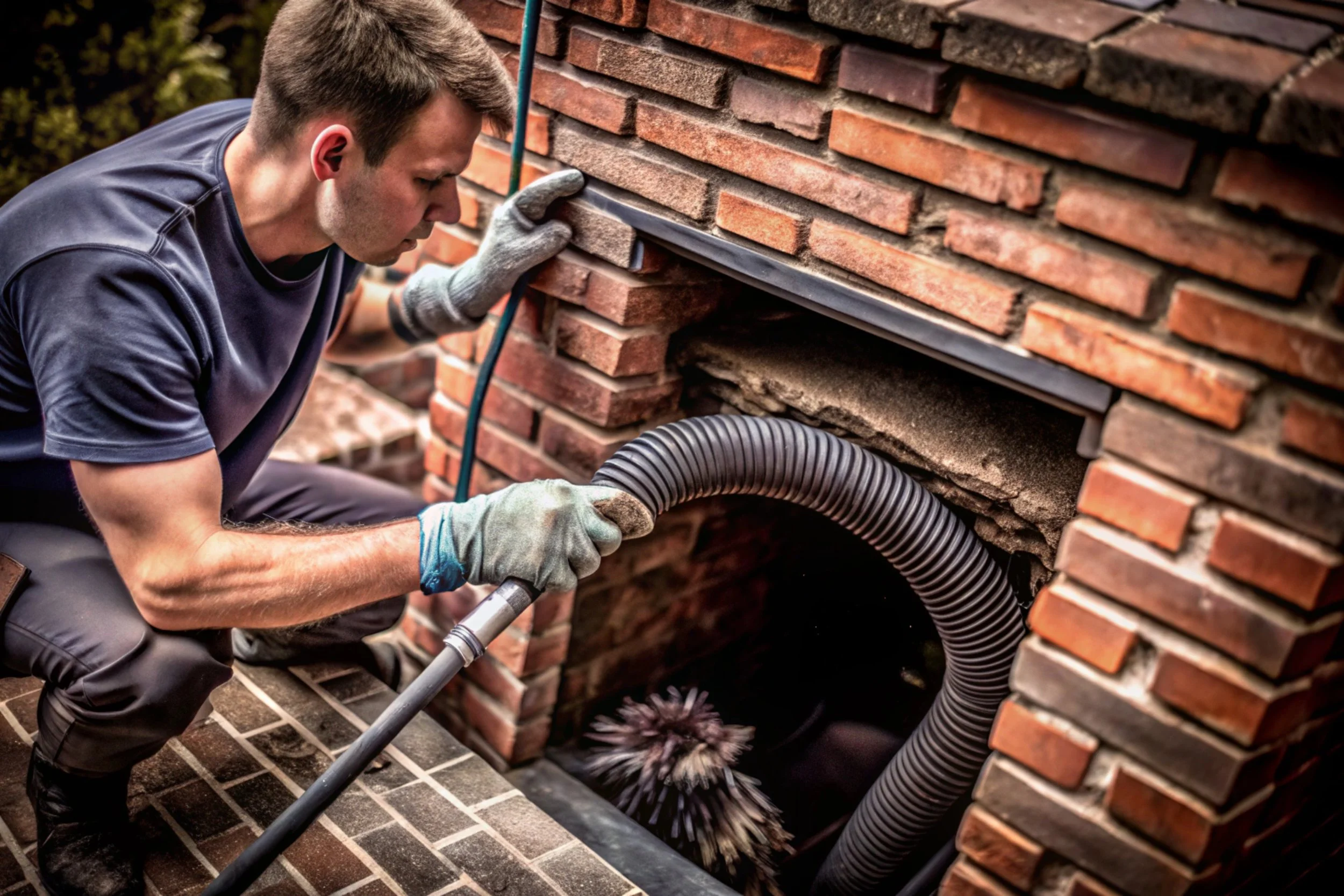
While some homeowners attempt basic maintenance themselves, professional cleaning offers a more thorough evaluation of the entire chimney system. Trained technicians use specialized equipment to remove buildup, inspect critical components, and identify hidden hazards.
Professional service also helps detect early warning signs that may otherwise go unnoticed. Issues involving liners, masonry, flashing, and ventilation systems often require experienced assessment. Investing in regular chimney repair and cleaning services, like Tidewater Chimney Sweeps, can extend the life of the chimney and reduce the likelihood of unexpected problems during the heating season.
FAQs
· How frequently should a chimney undergo professional cleaning?
Most chimney professionals recommend annual inspections and cleaning as needed. Homes that use fireplaces frequently typically benefit from professional chimney cleaning at least once each year.
· Can a dirty chimney lead to a house fire?
Yes. Excessive creosote buildup inside the chimney is highly flammable and can ignite unexpectedly, increasing the risk of dangerous chimney fires and property damage.
· What does creosote look like?
Creosote commonly appears as black, brown, or shiny tar-like residue lining the chimney walls. It may also flake off and collect inside fireplaces.
· Why does smoke come into the house when using the fireplace?
Smoke entering the room may result from blockages, excessive buildup, poor draft conditions, or ventilation issues within the chimney system.
· Are chimney inspections necessary if the fireplace is rarely used?
Yes. Even infrequently used chimneys can develop problems from moisture, nesting animals, debris accumulation, and structural deterioration that may affect safety.
· What are the signs of creosote buildup?
Signs of creosote buildup include black or shiny residue inside the chimney, smoky odors, poor draft, falling debris, and smoke backing into the home.
Conclusion
A chimney often provides warning signs before serious problems develop. Smoky odors, visible soot, creosote deposits, poor draft performance, animal activity, and water damage should never be ignored. Addressing these issues promptly helps maintain a safer and more efficient fireplace system.
Understanding the symptoms of a blocked chimney and other common warning signs allows homeowners to take action before conditions become hazardous. Regular inspections and annual cleanings remain some of the most effective ways to protect both the chimney and the home. Contact Tidewater Chimney Sweeps today to schedule an appointment and help keep your fireplace, chimney, and home operating safely year-round!